

Show me what you mean

A catalogue of what your systems can do, and a way to compose with it
I lead Managed AI at Siili, which means my team runs AI systems for customers every day. That is the work we are there to do, and it builds up something extra: a clear picture of what those systems can already do.
The person with the idea usually cannot show you what they mean. They describe it, you nod, and something slightly different gets built. I want them to show it instead: to describe what they want to achieve, and see how it could work across the systems they already have. That holds whether the idea comes from a customer specialist, a product owner, or a leadership team deciding where AI goes next.
What makes this realistic is that the foundation already exists. At Siili we build and operate AI agents and automations for our customers in production today. One of them runs first-line customer service for LähiTapiola Rahoitus: half a dozen automations and AI agents working together. They pick up the messages nobody has answered yet, draft replies from the company’s own approved material in Finnish, Swedish or English, and classify complaints and feedback so they are archived correctly, with personal data masked before the model ever sees it, and a person approves every reply.
Running these systems every day teaches you what no proposal can: what they really cost once volumes double, and which part gives way first. That is what I want to bring to a conversation about where your business goes next. I come from an automation background, so making a stubborn process behave is my kind of fun. And I want to know what people would imagine if they could see everything their organization can already do.
Giving AI the context to act
When we build an AI agent, we give it practical ways to work with a customer’s systems: finding information, updating a record or navigating an application that has hidden the right button in a truly imaginative place. These reusable capabilities form a growing library, a practical dictionary of what the systems can do and how to do it.
That dictionary is what makes the next idea cheap. AI can use it to interpret a goal, reason about the steps involved and propose how existing capabilities could work together. Each new solution adds a word to the dictionary, and we can map capabilities beyond the needs of the workflow that paid for them. Now bring in the people who know the business. A customer specialist knows what customers struggle with; a product owner sees an opportunity for a new service. With the dictionary open in front of them, they can sketch an idea and see how it might work across their systems, without signing up for a second career in software development.
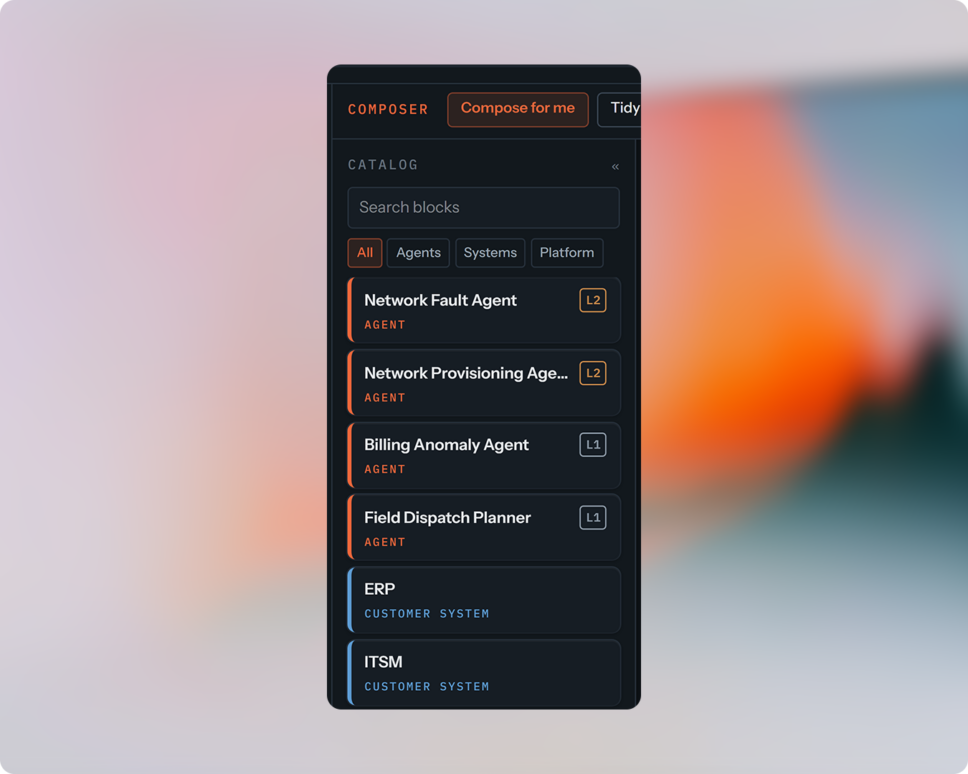
Figure 1 — The catalogue of building blocks.
Composing a case
Here is one. A business customer disputes an invoice. A billing anomaly agent reads the dispute against the billing and charging system, checks it against past resolutions and proposes a correction. A second agent prepares the change. The customer is kept informed through the channels they already use.
None of that is bespoke. Every block came out of the catalogue, and the shape of the flow is something the person who understands the dispute could have sketched themselves.
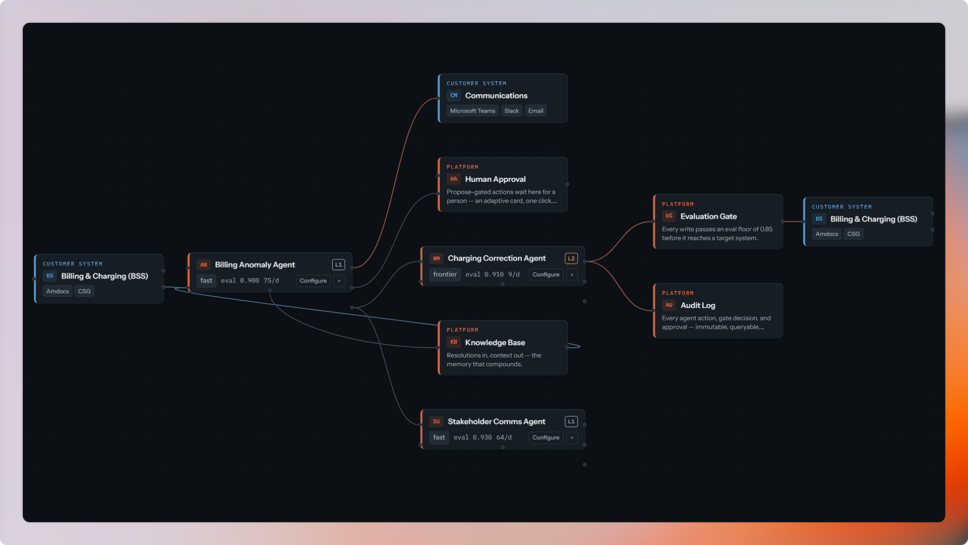
Figure 2 — A billing dispute composed from catalogue blocks. Illustration; the scores and volumes shown are not real figures.
Composing is not deploying
The fair question, and the first one I would ask: if someone who is not a developer can compose a flow like this, what stops it going wrong?
The first answer is that composing is not deploying. A composed flow is a proposal. You can run it as a scenario and watch it step by step. Seeing what it would do is the point; doing it for real is a separate decision.
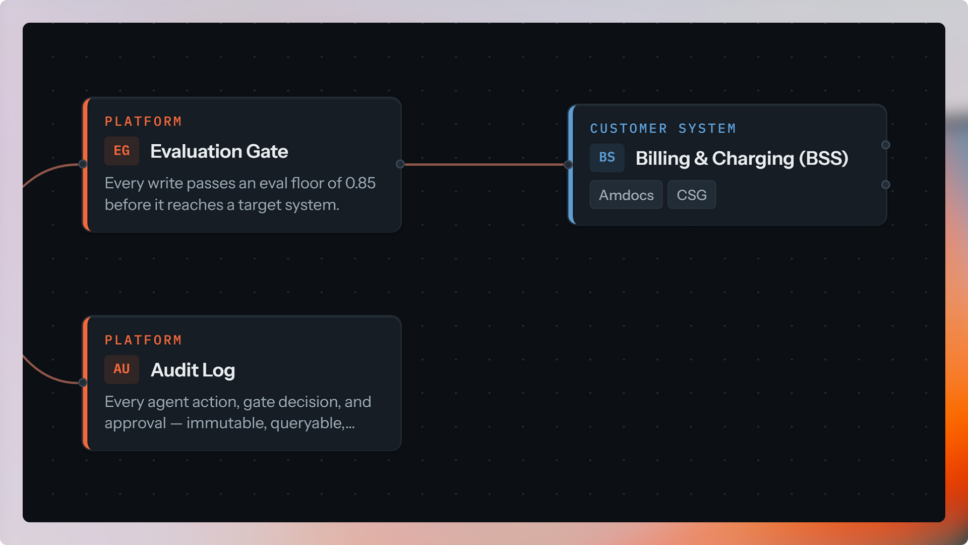
Figure 3 — The checks, in detail. Illustration; the values shown are not real figures.
The checks are blocks in the flow like any other: work that needs a person waits for a person, anything heading for a customer system passes a quality check first, and every action, decision and approval is written down where it can be read back later. Nothing composed this way goes live on its own. When an idea is worth building, we build it, test it and put it into operation, the same way as any other change to a business system.
Bring us the idea
Now imagine a different process entirely: welcoming a new customer, making sense of financial exceptions, coordinating work across operational systems. The same way of thinking applies to any process, system automation or flow where AI could help. The exciting part is what your organization would choose to create.
This is you and Siili designing AI solutions together. The people who know the business bring the ideas, AI helps them explore how those ideas could work across their systems, and our team turns the resulting designs into working agents and automations. You bring a proposed flow; we assess what can be reused, estimate the work, and build, test and operate it from there.
As the dictionary grows, we have more to build with. Keeping those capabilities useful as systems change is what makes this an ongoing collaboration rather than a handover.
To the AI Finland community: what would you love to see working in your organization? Bring me the idea you keep coming back to: alfred.leppanen@siili.com. Let’s make it happen together.
Alfred Leppänen
Managed AI Lead at Siili Solutions